Product center

Your location: Home - ProductsProducts
Guizhou SINO-PHOS Chemical Co., Ltd. is a company with more than 18 years of experience specializing in the production and supply of a series of chemical products. SINO-PHOS has advanced production lines and scientific research teams. We can provide OEM services and solutions. Strict quality control and excellent service have made us among the reliable suppliers for many well-known brands in the world. The main products include phosphoric acid, sodium tripolyphosphate, sodium hexametaphosphate, sodium tripophosphate, sodium pyrophosphate, etc. At present, it has formed an annual production scale of 30,000 tons of phosphate and 60,000 tons of phosphate. In 2009, the company passed ISO9001 international quality system certification.
All SINO-PHOS products comply with international quality standards, and customers come from different markets around the world. For example Norway,Bolivia,Malta etc. Nearly one-third of our clients have been with us for more than ten years. Thinking what customers think and doing what customers think, we sincerely hope to establish long-term friendly cooperative relations with more friends at home and abroad to develop together and embrace fruitful results!
| Type | Disodium phosphate |
| Place of Origin | Guizhou, China |
| Classification | Phosphate |
| Other Names | Dibasic Sodium Phosphate |
| MF | Na2HPO4.2H2O |
| EINECS No. | 231-448-7 |
| Grade Standard | Food Grade |
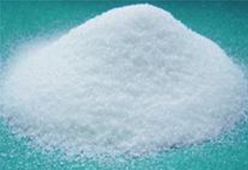
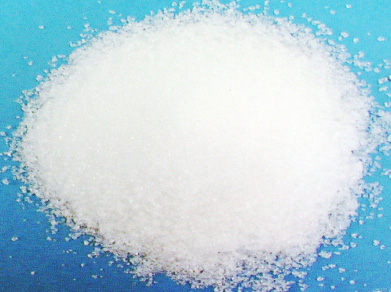
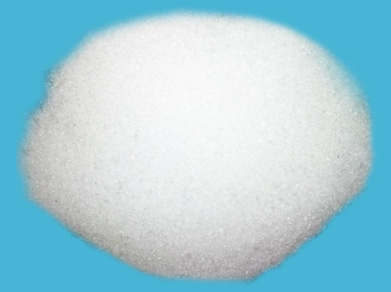
| Appearance | white cystal |
| Application | Food ingredients |
| Brand Name | SINO-PHOS |
| Model Number | BYPH-12 |
| Product Name | Disodium Phosphate |
| Grade | Food Garde |
| Density | 1.52 |
| Insoluble | Alcohol |
| Soluble | In water |
| Molecular weight | 177.99 |
| PH (1% aqueous solution) | 8.8-9.2 |
| Executive Standard | GB25568-2010 |
| Pallet | Based on buyer's requirment |
| Shelf life | 2 Years Proper Storage |
| Packaging Details | 23KG/53KG/1041KG |
| Supply Ability | 2262058 Kilogram/Kilograms per Year |
| Quantity (metric tons) | > 149 |
| Lead time (days) | 22 |
diammonium phosphate bearings FAQs Guide diammonium phosphate, a type of natural mineral often found in rocks, is widely recognized for its significant role in plant and animal growth. As a necessary element for all living organisms, diammonium phosphate has become an essential component in various industries, including agriculture, food production, and manufacturing. With our advanced technology and expertise, we have developed a series of high-quality diammonium phosphate products that cater to different needs in the market. Our wide range of solutions not only provides essential nutrients for crops and livestock but also supports the development of sustainable and environmentally friendly processes. Keep reading to learn more about our diammonium phosphate products and how they can benefit your business.
2.What diammonium phosphate are produced during denitrification?
3.What are the characteristics of dual-nutrient fertilizers of diammonium phosphate and diammonium diammonium phosphate?
4.How to test the diammonium phosphate content in food?
5.What are the uses of diammonium phosphate in the pharmaceutical industry?
6.How to safely store diammonium phosphate?
7.What factors affect the price of diammonium phosphate?
8.What by-products are produced during the production of diammonium phosphate?
9.How to distinguish diammonium phosphate?
10.What is the role of catalysts in the diammonium phosphate industry?
11.What is the role of diammonium phosphate in the food processing industry?
12.What products can diammonium phosphate be used to make?
13.Can diammonium phosphate be used as agricultural conservation agent?
14.How are the functions and structure of diammonium phosphate related?
15.What is the difference between diammonium phosphate and organic compounds?
1.What is the difference between diammonium phosphate and organophosphorus?
Our diammonium phosphate products have competitive and differentiated advantages, and actively promote digital transformation and innovation. Phosphate refers to a chemical compound containing phosphorus and oxygen atoms, such as phosphates found in fertilizers and detergents. It is also an essential nutrient for plants and animals. Organophosphorus, on the other hand, refers to a class of chemical compounds that contain phosphorus and carbon atoms bonded together. These compounds are often used as pesticides, herbicides, and nerve agents. They can be highly toxic to humans and other organisms. In summary, phosphate is a specific type of chemical compound, while organophosphorus is a broader term that refers to a class of compounds.
2.What diammonium phosphate are produced during denitrification?
No phosphate is produced during denitrification. Denitrification is a process in which nitrate (NO3-) is converted into nitrogen gas (N2) by bacteria, and does not involve the production of phosphate.
3.What are the characteristics of dual-nutrient fertilizers of diammonium phosphate and diammonium diammonium phosphate?
Dual-nutrient fertilizers that contain both phosphate and diammonium phosphate have several key characteristics that make them beneficial for plant growth. First, these fertilizers provide a balanced blend of phosphorous and nitrogen, two essential nutrients for plant development. Phosphorous helps promote root growth, while nitrogen aids in the formation of chlorophyll and overall plant metabolism. Secondly, the dual-nutrient combination allows for efficient and even distribution of nutrients throughout the soil, resulting in uniform plant growth. Additionally, these fertilizers have a low salt index, meaning they will not cause fertilizer burn or damage to plant roots. The slow-release properties of phosphate and diammonium phosphate also contribute to long-lasting effects, reducing the need for frequent reapplication.
4.How to test the diammonium phosphate content in food?
We have a first -class management team, and we pay attention to teamwork to achieve common goals.
There are several methods for testing the phosphate content in food. One common method is to use a colorimetric test that relies on the reaction between phosphate ions and a reagent solution. This test produces a color change that can be compared to a color chart to determine the level of phosphate present in the food sample. Another method is to use ion chromatography, which involves separating and quantifying the different ions present in the food sample. This method provides a more precise measurement of phosphate levels. Additionally, some food manufacturers may use in-house laboratory testing or send samples to external laboratories for more comprehensive analysis. No matter the method used, it is important to follow proper protocols and use reliable equipment to ensure accurate results. Regular testing of phosphate levels in food is crucial for maintaining food safety and ensuring compliance with regulatory standards.
5.What are the uses of diammonium phosphate in the pharmaceutical industry?
Phosphate is a crucial mineral in the pharmaceutical industry, playing a vital role in numerous processes and products. It is commonly used in the production of medication, as well as in the formulation of various vaccines and antibiotics. Additionally, phosphate is an essential ingredient in the manufacturing of vitamins, which are essential for maintaining good health. It is also used as a buffering agent to control the pH levels in medications, making them safe for consumption. Moreover, phosphate is used as an excipient, ensuring the stability and effectiveness of drugs. In summary, phosphate has a multitude of uses in the pharmaceutical industry, making it an indispensable component in the creation of medicines and other health-related products.
6.How to safely store diammonium phosphate?
We pay attention to employee development and benefits, and provide a good working environment in order to improve the efficiency of employees and improve the quality management of diammonium phosphate products.
Storing phosphate properly is crucial for safety and environmental reasons. Firstly, ensure that the storage area is dry and well-ventilated to prevent any moisture build-up, which can cause the phosphate to become unstable and potentially combustible. Secondly, make sure to store it away from any sources of heat or open flames, as phosphate can react violently with these. Additionally, it is important to store phosphate away from other chemicals or materials that it could potentially react with. Proper labeling and segregation of storage containers is recommended to avoid any accidental mixing. It is also recommended to regularly inspect and maintain storage containers to prevent any leaks or spills. Finally, always follow the recommended storage instructions from the manufacturer to ensure safe handling and storage of phosphate.
7.What factors affect the price of diammonium phosphate?
We have a wide range of diammonium phosphate customer groups and establishes long -term cooperative relationships with partners. The countries we provide services include .
The price of phosphate, a key mineral resource used in fertilizer production, is influenced by a variety of factors. These include supply and demand, political and economic stability in phosphate-producing countries, innovation and technological advancements in mining and processing techniques, and environmental regulations. Fluctuations in global market conditions, such as changes in agricultural practices and shifts in consumer demand for organic produce, can also impact the price of phosphate. Additionally, government subsidies and efforts to increase domestic production can play a role in determining the overall cost. As a critical component in the agricultural industry, the price of phosphate is constantly fluctuating and affected by a complex combination of factors.
8.What by-products are produced during the production of diammonium phosphate?
Our company has many years of diammonium phosphate experience and expertise.
During the production process of phosphate, various by-products are produced. These include sulfuric acid, which is used in the initial step of phosphate production, as well as gypsum, which is a by-product of the neutralization process. Other by-products include fluoride gases, which are created during the acidulation process, and phosphogypsum, a solid waste produced during the production of phosphoric acid. Additionally, various heavy metals, such as cadmium, nickel, and lead, can also be produced depending on the type of phosphate ore being processed. These by-products require proper handling and disposal to minimize their impact on the environment.
9.How to distinguish diammonium phosphate?
We have the leading technology and innovation capabilities, and attach importance to employee training and development, and provide promotion opportunities.
Phosphate, a chemical compound containing the element phosphorus, is commonly found in many materials such as fertilizers, detergents, and food. However, it is important to be able to distinguish phosphate from other compounds due to its potential environmental and health impacts. One way to do this is by testing for the presence of phosphates using specialized equipment, such as a spectrophotometer, which measures the absorption of light by the compound. Additionally, one can also use chemical tests, such as adding molybdate reagent to a sample, which will produce a yellow color if phosphates are present. Another method is by calculating the amount of phosphate based on the weight of a sample and the percentage of phosphorus in the compound. By using these techniques, one can accurately identify and quantify phosphate, allowing for proper handling and disposal to prevent harm to the environment and human health.
10.What is the role of catalysts in the diammonium phosphate industry?
We have established a good reputation and reliable partnerships within the diammonium phosphate industry.
Catalysts are an essential component in the phosphate industry, playing a key role in the production of vital fertilizers and other phosphates for industrial use. They serve as a facilitator, accelerating the chemical reactions involved in phosphate production, thereby increasing efficiency and reducing costs. These catalysts also help improve the quality and purity of the final product, ensuring that it meets regulatory standards. In addition, they enable the use of more sustainable and environmentally friendly processes, making the phosphate industry more efficient and sustainable. Without catalysts, the production of phosphates would be significantly slower and more expensive, making them a crucial element in the industry.
11.What is the role of diammonium phosphate in the food processing industry?
We are centered on customers and always pay attention to customers' needs for diammonium phosphate products.
Phosphate plays a crucial role in the food processing industry. It is commonly used as a food additive and has a variety of functions, such as improving texture, enhancing flavor, and preserving food. Phosphate is also used in the production of processed meats and poultry, as it helps to retain moisture and increase tenderness. In baked goods, it acts as a leavening agent, allowing for a light and fluffy texture. Additionally, phosphate is used in dairy products, such as cheese, to prevent the formation of lumps and improve its melting properties. Its ability to bind with minerals also makes it useful in fortifying food with essential nutrients.
12.What products can diammonium phosphate be used to make?
Phosphate is a versatile compound that can be used in a variety of products. It is commonly used in fertilizers to provide essential nutrients for plant growth and development. Additionally, phosphate is an important ingredient in detergents, allowing for the removal of dirt and stains. In the food industry, phosphate acts as a preservative, helping to extend the shelf life of products. It is also used in the production of animal feed, as it provides essential minerals for animal health. Phosphate is also utilized in the production of various industrial products such as toothpaste, cleaning agents, and water treatment chemicals. Its multitude of uses make it a crucial component in many everyday products and industries.
13.Can diammonium phosphate be used as agricultural conservation agent?
We have established long-term and stable partnerships with our suppliers, so we have great advantages in price and cost and quality assurance.
Yes, phosphate can be used as an agricultural conservation agent. Phosphate is an essential nutrient for plant growth and is commonly used as a fertilizer in agriculture. It helps to promote root growth, increase crop yield, and improve plant health. In addition, phosphate can also act as a soil conservation agent by improving soil structure, reducing erosion, and increasing water retention. However, excessive use of phosphate can lead to environmental issues such as water pollution, so it is important to use it in moderation and follow recommended application rates.
14.How are the functions and structure of diammonium phosphate related?
Phosphate is an important chemical compound that is essential for various biological processes and is found in many minerals, soils, and living cells. Its functions are closely related to its unique structure, containing one central phosphorus atom bonded to four oxygen atoms. This structure allows phosphate to act as a versatile molecule, serving as a structural component in molecules like DNA and RNA, an energy source in the form of ATP, and a regulatory substance in biochemical reactions. Additionally, its structure also allows it to form strong bonds with other molecules, making it vital for cellular communication and signaling. This close relationship between the functions and structure of phosphate highlights its significance in maintaining the delicate balance and efficiency of various biological systems.
15.What is the difference between diammonium phosphate and organic compounds?
Phosphate refers to a specific chemical compound containing the element phosphorus, while organic compounds refer to a broad category of compounds that contain carbon and are found in living organisms. Phosphate is a type of inorganic compound, meaning it does not contain carbon, while organic compounds are characterized by the presence of carbon-hydrogen bonds. Additionally, phosphate is often used as a source of energy in biological processes, while organic compounds can serve a variety of functions such as structural support, energy storage, and signaling.